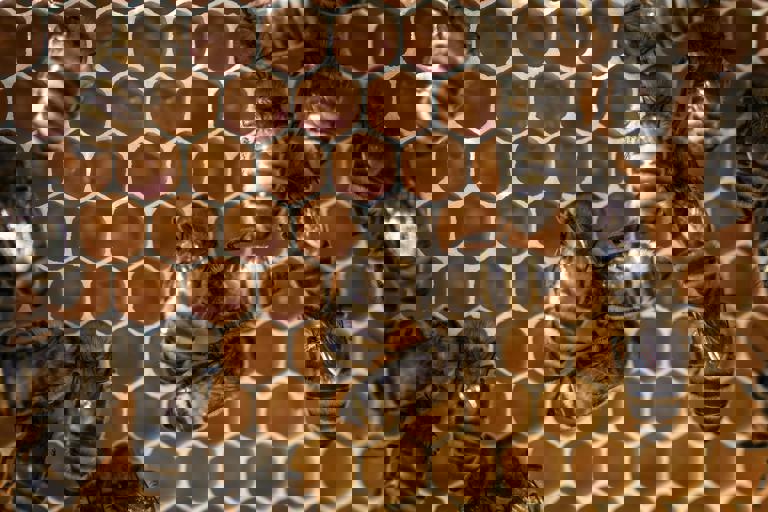
A sweeping new initiative is transforming the urban skyline and the ecosystem beneath it. The Rooftop Bees Project, an ambitious partnership between local environmental groups and property management firms, is installing beehives atop city buildings. The project aims to enhance biodiversity in urban areas and offers residents a unique opportunity to enjoy locally produced honey, directly from their own neighbourhood rooftops.
This innovative programme was born out of a growing awareness of the decline in bee populations and its potentially disastrous effects on both agriculture and horticulture. Pollination, a crucial element performed by bees, underpins a significant portion of food production. According to the British Beekeepers Association, bees are responsible for pollinating around a third of the food consumed in the UK, making their health an issue of national importance.
Unlike rural beekeeping, urban apiculture faces unique challenges and opportunities. City roofs, typically underutilised spaces, offer an ideal setting for secure hives, shielded from many rural pesticides and predators. Many local volunteers, including office workers, have undergone beekeeping workshops to support the project, learning about hive maintenance, bee health, and sustainable honey harvesting.
Dr. Emily Clark, an urban ecologist and one of the project's co-founders, highlights the collaborative aspect. "Urban rooftops provide safe haven for bee colonies, and the communal nature of the project has fostered a spirit of stewardship in the city," she explained. She further noted that increased pollinator presence supports plant life in public parks and private gardens alike, helping to green the city.
Beyond ecological benefits, the Rooftop Bees Project is sweetening city life in a very literal way: jars of city-honey are being produced and shared with building residents. This hyper-local honey not only offers a distinctive taste shaped by the urban flora but also encourages greater awareness of seasonal changes and the local environment. Each hive yields up to 20 kilograms of honey per season, depending on weather and floral abundance.
The project is not just about honey—it aims to educate and engage citizens. Regular open days allow residents and school groups to safely observe the bees at work and participate in hands-on learning activities. The organisers report a marked increase in community interest, with several buildings now boasting waiting lists for new rooftop hives. This surge in participation signals growing environmental consciousness among urban dwellers.
To ensure the well-being of the bees, all participating buildings have adopted strict hive management protocols. Trained volunteers conduct routine inspections, checking for signs of disease and monitoring colony strength. The bees themselves benefit from green roofs and pollinator-friendly landscaping, which have also become more popular as property owners see the dual benefit to biodiversity and building value.
Data collection plays a significant role in the project's ongoing success. Local universities have joined forces, using the hive network to track bee health, urban microclimates, and flowering patterns across the city. This research not only helps guide best practices for urban beekeeping but also informs broader conservation policies that could be adopted in cities across Britain.
Economic benefits are also emerging. Artisanal city-honey is sold at select farmers' markets and community shops, generating modest revenue to reinvest in hive maintenance and outreach. Local cafes have begun incorporating the honey into menus, offering customers a taste that is both local and sustainable. This support helps ensure the financial viability of the project while promoting eco-friendly consumption.
There remain challenges, chief among them the need for education to dispel fears about bees in densely populated areas. Organisers emphasize that honeybees are generally non-aggressive and pose far less risk than commonly feared. In addition, ongoing partnership with local councils and environmental health officers ensures that all safety and regulatory requirements are met.
Looking ahead, the Rooftop Bees Project envisions even more roofs alive with the gentle hum of bees. With broadening support from city residents, businesses, and institutions, the project serves as a powerful reminder of how creative thinking and community collaboration can yield both ecological and social rewards, turning once-overlooked spaces into havens of productivity and biodiversity right above our heads.