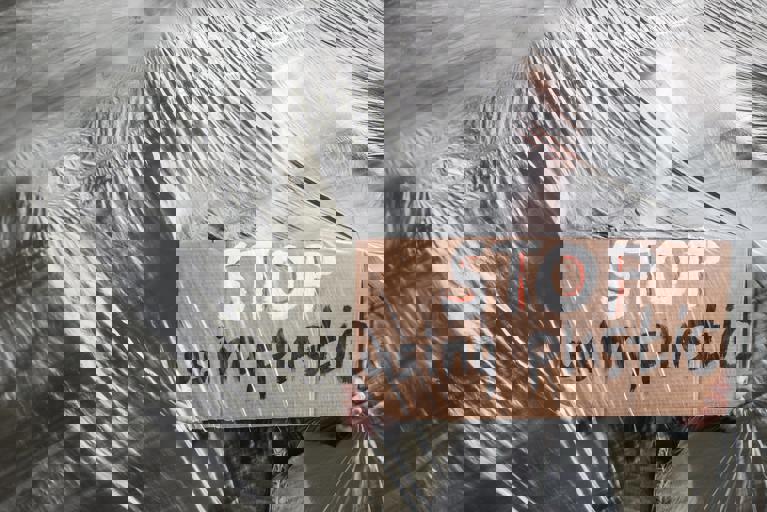
A contentious debate has erupted in Parliament as lawmakers confront the complexities of banning single-use plastics across the country. The proposed legislation, put forth earlier this month, aims to eliminate items like disposable cutlery, straws, and polystyrene food containers. Advocates argue this is a critical step in addressing plastic pollution, while a coalition of industry representatives and some politicians warn of potential economic fallout and job losses if the ban moves forward unchecked.
Supporters of the new rules point to alarming environmental statistics, underscoring the urgency for decisive action. According to recent government data, over 4.5 billion single-use plastic items are discarded annually in the United Kingdom. Environmental groups have long warned that this pervasive waste ends up in waterways, threatening marine life and ultimately entering the human food chain.
During a heated session in the House of Commons last week, lawmakers exchanged sharp words over the merits and drawbacks of such sweeping measures. “We have a moral obligation to future generations,” said Rebecca Hargreaves, a prominent backbencher in support of the ban. “Continuing with business as usual is not sustainable when the health of our environment is at stake.” Her remarks received both strong applause and criticism from colleagues across the aisle.
On the opposing side, industry spokespersons and some MPs argue that a rapid ban could devastate small businesses and disrupt supply chains still recovering from Brexit and the pandemic. “We cannot afford to implement policy at the expense of jobs and livelihoods,” countered Conservative MP John Ellis. He urged the government to consider phased approaches and increased investment in alternative materials before implementing blanket prohibitions.
Environmentalists, meanwhile, remain steadfast in their conviction that urgent action is required. “The science is clear,” said Dr. Mina Porter, campaign director at OceanGuard UK. “Single-use plastics are among the primary contributors to pollution in our rivers and seas. Incremental changes are insufficient. We need bold leadership from lawmakers.” Her comments have been echoed by other prominent environmental advocacy groups pressing for a swift timeline.
To address these competing concerns, the draft legislation includes provisions for government support to businesses affected by the ban. This encompasses grants for developing sustainable alternatives, tax incentives, and a proposed transition period of up to two years for certain sectors. However, critics argue these measures do not go far enough, especially for small and medium-sized enterprises (SMEs) with limited resources.
In recent weeks, trade associations have stepped up their lobbying efforts, meeting with ministers and members of parliamentary committees. The British Plastics Federation released a statement warning that without substantive government assistance, as many as 15,000 jobs could be at risk. Their position is that any regulatory change should be accompanied by skills retraining programmes and concrete commitments for research funding into biodegradable materials.
Contrasting the business sector’s apprehensions, a growing majority of the public appears to support tougher action. Recent polling by the National Centre for Social Research shows 68% of Britons favour banning single-use plastics, with support highest among younger demographics. Activists have organised large-scale petitions and public demonstrations, demanding Parliament act decisively to limit plastic waste and its environmental impact.
The debate has also drawn international attention, with several European neighbours having already enacted similar bans and reporting varying degrees of success. Government ministers have studied policies in countries such as France and Ireland, where bans led to measurable reductions in plastic waste but also presented unforeseen implementation hurdles, including supply shortages and compliance challenges for certain industries.
Parliament’s Environment Committee is expected to hold further hearings, inviting expert testimonies from environmental scientists, business leaders, and affected communities. These sessions aim to inform lawmakers about both the ecological necessity and practical implications of the proposed regulations, ensuring that any final draft of the law is comprehensive and balanced. Cross-party working groups are reportedly striving to craft policy amendments that can garner broad-based support.
As the bill moves toward a critical vote, the standoff between environmental urgency and economic caution persists, underscoring how deeply the issue resonates across different sectors. The outcome will signal not only the government’s commitment to environmental stewardship but also its sensitivity to economic realities in a rapidly changing world. Observers and stakeholders alike await the next parliamentary session, which could prove pivotal in shaping the country’s environmental policy for years to come.