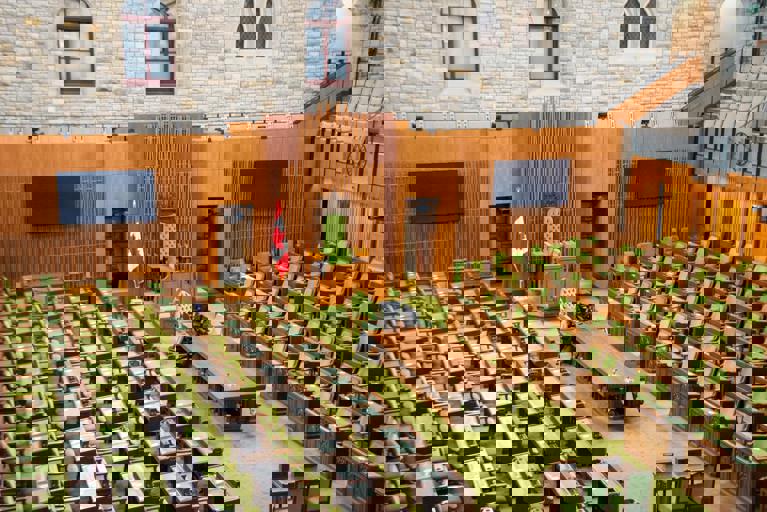
A fiercely contested Voting Age Reform Bill has ignited robust debate within the corridors of Parliament, following its recent introduction. The proposal, seeking to lower the national voting age from 18 to 16, has triggered passionate reactions from MPs across the political spectrum. While some lawmakers see the bill as a long-overdue recognition of youth engagement in civic life, others voice strong concerns about the readiness and maturity of younger voters.
Proponents of the bill argue that 16- and 17-year-olds are already entrusted with significant responsibilities in society, such as paying taxes, working, and consenting to medical treatment. "If young people are impacted by government decisions, they deserve a say in electing their representatives," asserted Labour MP Amanda Redford during heated Commons debate. Supporters contend the reform would invigorate democratic participation and reflect a more inclusive society.
Opponents, however, worry that lowering the voting age could compromise the integrity of the electoral process. Conservative MP Robert Tillingham warned, "We risk diluting the seriousness of the ballot box if we treat voting as a rite of passage rather than a mature civic duty." Critics also question whether schools and families would be prepared to ensure that newly enfranchised voters are adequately informed about complex political issues and party platforms.
Despite partisan rhetoric, the debate has unexpectedly created alliances that transcend traditional party lines. Notably, some Conservative backbenchers have joined progressive MPs in support of the measure, reflecting shifting perspectives on youth engagement. Liberal Democrat spokesperson Helen Maynard highlighted this rare moment of cross-party collaboration: "This is not a left-versus-right issue, but a chance to modernize our democracy together."
Political analysts attribute part of the bill's momentum to recent upticks in youth activism, especially around climate change, social justice, and education reform. Data from the British Youth Council indicates that over 65% of 16- to 17-year-olds express a strong desire to participate in national elections. Such statistics have fueled the argument that the nation's youngest citizens are more politically aware and engaged than previous generations.
Advocacy groups, such as Votes at 16, have stepped up their campaigns by organising rallies and educational forums to press lawmakers into action. "Young voices enrich democracy and bring fresh perspectives to the ballot," said group chairperson Ellie Watkins. She emphasized that Scotland has already lowered the voting age for devolved issues, noting increased turnout and thoughtful engagement among younger voters in recent referendums.
On the other hand, sceptics caution against making policy changes based on enthusiasm alone. Education Minister Paul Harrington pointed to research indicating that political knowledge among 16-year-olds varies widely. "Empowering the youth is important, but we must ensure they have access to well-rounded civics education before they cast a ballot," Harrington argued, urging Parliament to consider additional education reforms as part of any expansion of voting rights.
The public response has been equally divided, with recent opinion polls revealing the country split nearly evenly on the proposal. Older voters remain the most sceptical, while support among younger adults and parents has grown steadily in recent years. Social media platforms have become battlegrounds for both sides, with hashtags championing youth enfranchisement trending nationwide even as critics question the wisdom of such a dramatic change.
Parliament is expected to hold a series of public hearings and committee reviews in the months to come, giving citizens and experts a platform to weigh in further. With a final vote on the Voting Age Reform Bill likely later this year, the nation finds itself at a crossroads over how best to broaden democratic engagement while safeguarding the integrity of its elections. The outcome promises to mark a defining moment for the future of British democracy.